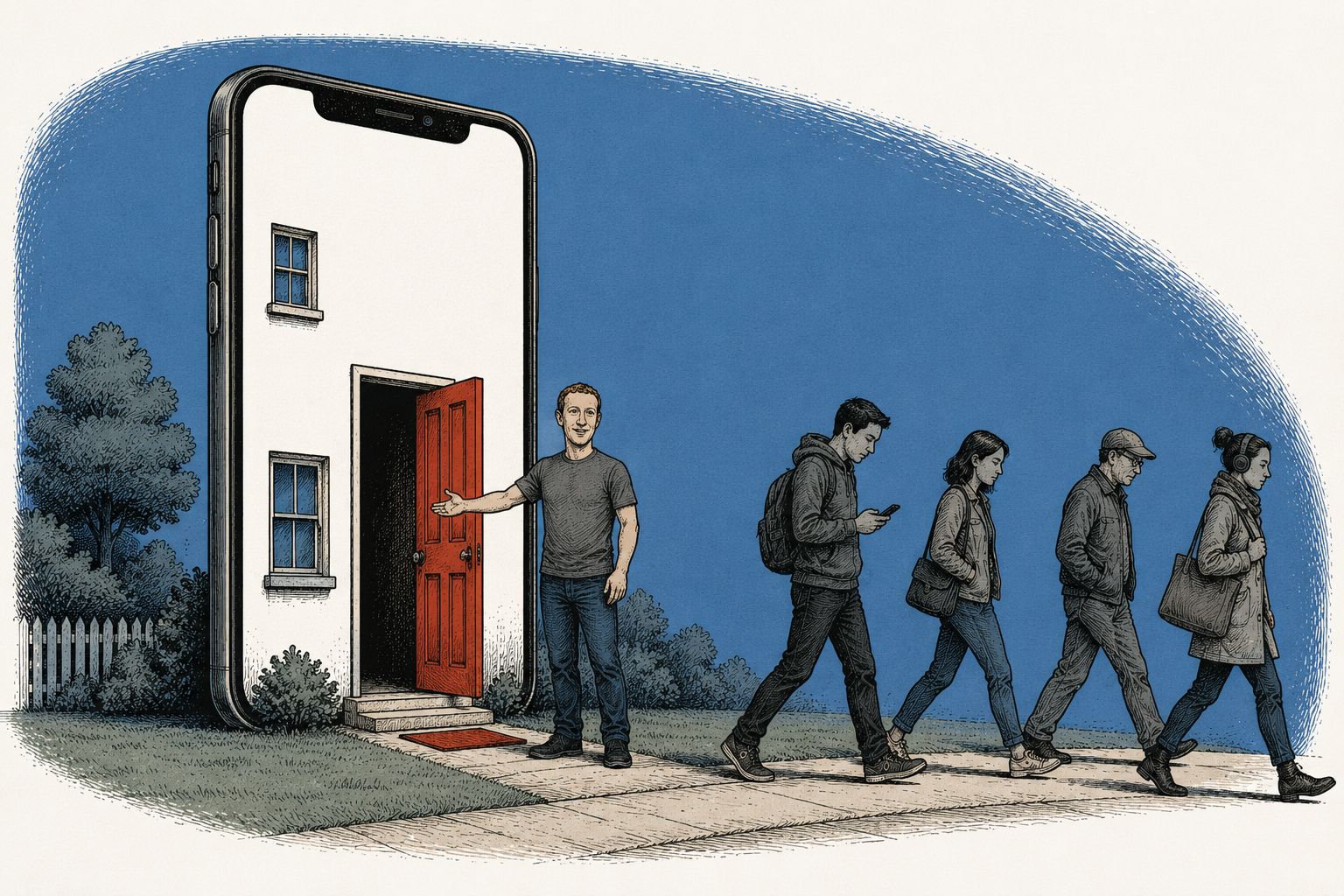
In the spring of 2013, the tech press was consumed by one question: would Facebook build a phone? The company's answer, unveiled by Mark Zuckerberg in April, was cleverer and stranger — not a phone, but a takeover of your phone. Facebook Home was a replacement interface for Android that turned the entire device into a Facebook machine.
Home replaced the lock screen and home screen with Cover Feed, a full-bleed stream of friends' photos and posts. Chat Heads floated your conversations over every other app. Zuckerberg's framing was almost philosophical: phones should be designed around people, not apps. Since more than a fifth of all smartphone time was already spent on Facebook, why not own the whole screen?
The company went all in. It partnered with HTC and AT&T on the HTC First, a $99 phone with Home pre-installed, backed it with a prime-time ad campaign, and made Home downloadable on popular Android flagships. This was Facebook planting its flag between Apple and Google on their own turf.
Users hated it almost immediately. Home buried the things people actually used their phones for — apps, notifications, cameras — under an ambient stream of one social network. Reviews called it a beautiful answer to a question nobody had asked. The download version stalled; the HTC First reportedly sold in the low tens of thousands.
The market verdict arrived with brutal speed: about a month after launch, AT&T cut the HTC First's price from $99 to 99 cents. The phone was soon discontinued outright — the carrier's fastest retreat from a flagship partnership in memory — and within a year Facebook had quietly stopped updating Home at all.
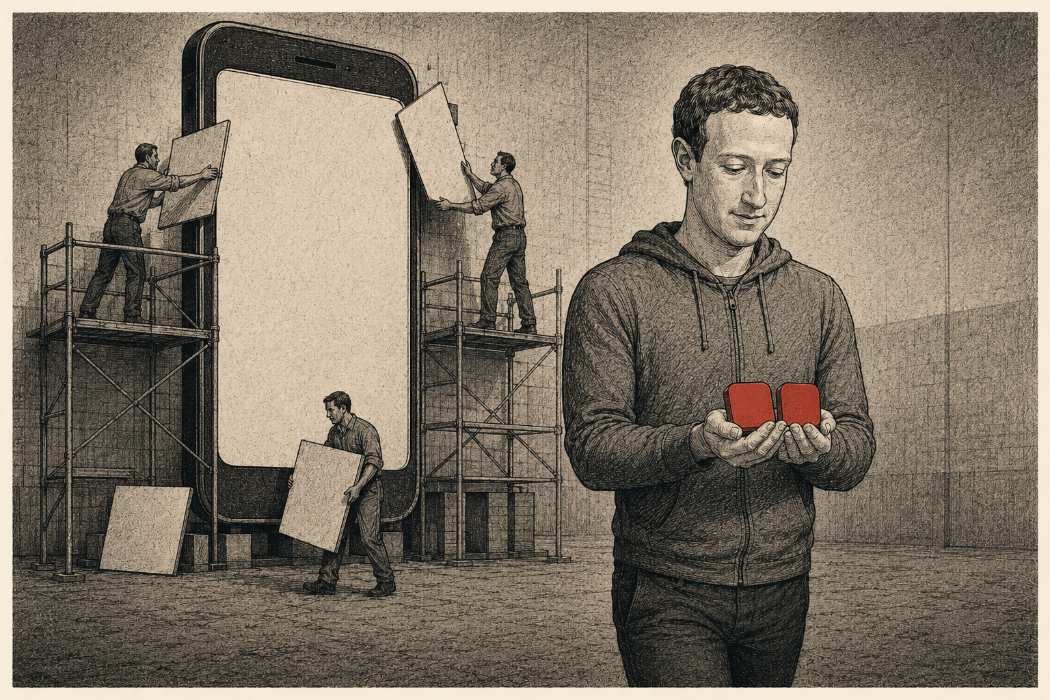
What makes the flop interesting is how cleanly Facebook metabolized it. There was no doubling down, no Home 2.0. Zuckerberg's team accepted that people choose their phones' centers of gravity themselves — and pivoted the company's mobile strategy to owning the apps people actually chose.
That meant pouring everything into the standalone Facebook and Messenger apps and into Instagram, which Facebook had bought in April 2012, a year before Home — and then, in February 2014, buying WhatsApp. Within a couple of years, the company that had failed to take over the phone owned four of the most-used apps on every phone.
Facebook Home remains one of the clearest lessons in platform hubris: you can't force yourself into the center of users' lives. You can only be chosen — one app at a time.
Questions
What was Facebook Home?
Facebook Home was a replacement interface for Android, unveiled by Mark Zuckerberg in April 2013. It swapped the lock screen and home screen for Cover Feed, a full-screen stream of friends' photos and posts, and floated Chat Heads over other apps.
Why did Facebook Home fail?
Users hated Facebook Home almost immediately: it buried the apps, notifications and cameras people actually used under a stream from one social network. Reviews called it a beautiful answer to a question nobody had asked.
What happened to the HTC First?
About a month after launch, AT&T cut the price of the HTC First, the $99 phone with Facebook Home pre-installed, to 99 cents, and the phone was soon discontinued. Within a year Facebook had stopped updating Home and turned to the apps people chose.